
A Practical Guide to Sustainable Weight Loss
If you’re wondering, “how can I drop 20 pounds quickly?”, it’s understandable to want noticeable results as soon as possible. However, the fastest approach isn’t necessarily the healthiest or easiest to maintain.
Successful weight loss typically comes from creating a consistent calorie deficit while maintaining muscle, staying active, eating nutritious foods, and giving your body enough time to recover.
At Alpine Fitness, we recommend focusing on sustainable habits rather than extreme diets or excessive workouts. A combination of strength training, cardio, daily movement, and balanced nutrition can create a strong foundation for long-term weight management.
How Fast Can You Safely Lose 20 Pounds?
There isn’t one timeline that works for everyone. Your rate of weight loss can depend on your starting weight, calorie intake, activity level, age, genetics, sleep, and other factors.
For many adults, a gradual rate of approximately 1–2 pounds per week is commonly recommended. At that pace, losing 20 pounds could take roughly 10–20 weeks.
You may lose more or less from week to week. Water weight can also cause the scale to fluctuate, especially when you change your carbohydrate intake, sodium intake, or exercise routine.
Instead of trying to force rapid weight loss, focus on creating habits you can maintain.
What Is the Best Way to Lose 20 Pounds?
There isn’t a single exercise, diet, or supplement that guarantees rapid fat loss. Instead, several fundamentals work together.
A sustainable weight loss plan generally includes:
- A manageable calorie deficit
- Regular resistance training
- Cardiovascular exercise
- Adequate protein
- Nutrient-dense foods
- Consistent daily movement
- Sufficient sleep
- Proper hydration
- Recovery between workouts
The goal isn’t simply to make the number on the scale drop. Ideally, you want to reduce body fat while maintaining as much lean muscle as possible.
Can Strength Training Help You Lose Weight?
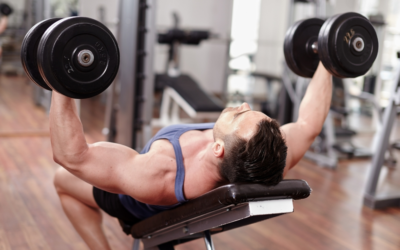
Absolutely. Although cardio often receives most of the attention when people discuss weight loss, strength training for weight loss can play an important role.
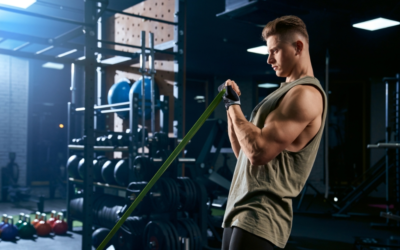
Resistance exercises challenge your muscles and can help maintain muscle mass while you’re losing weight.
A strength-training routine might include:
- Squats
- Lunges
- Deadlifts
- Rows
- Chest presses
- Shoulder presses
- Lat pulldowns
- Core exercises
You don’t need to lift extremely heavy weights to benefit. Start with resistance you can control while maintaining good technique, then gradually increase the challenge as your fitness improves.
Is Cardio Important for Losing 20 Pounds?
Cardio can help increase your overall energy expenditure while improving cardiovascular fitness.
Effective cardio workouts for weight loss can include:
- Walking
- Incline treadmill walking
- Running
- Cycling
- Rowing
- Stair climbing
- Swimming
- HIIT
You don’t have to perform intense cardio every day. In fact, combining moderate cardio with resistance training may create a more balanced approach.
For beginners, something as simple as adding regular walks can make a meaningful difference in total daily activity.
What Is the Best Cardio for Weight Loss?
The “best” cardio exercise is one that you enjoy, can perform consistently, and can recover from.
For example, incline walking can provide a challenging workout without requiring you to run. Cycling and rowing can offer lower-impact alternatives, while running and stair climbing can provide higher-intensity options.
You can also vary your workouts throughout the week.
For example:
Monday: Strength training + walking
Tuesday: Moderate cardio
Wednesday: Strength training
Thursday: Walking or active recovery
Friday: Strength training + cardio
Saturday: Longer cardio session
Sunday: Rest
Your ideal schedule will depend on your current fitness level and goals.
How Many Calories Should I Eat to Lose 20 Pounds?
Your calorie needs are individual, so there isn’t one calorie target that works for everyone.
A calorie deficit means consuming fewer calories than your body uses over time. However, creating an extremely large deficit isn’t necessarily better.
Very restrictive eating can make it difficult to get enough protein, fiber, vitamins, minerals, and other nutrients. It can also make your diet difficult to maintain.
Instead, focus on sustainable changes such as:
- Eating more protein-rich foods
- Increasing fruits and vegetables
- Choosing minimally processed foods more often
- Watching portion sizes
- Reducing liquid calories
- Limiting excessive alcohol
- Drinking enough water
- Planning meals ahead
If you need an individualized calorie target, consider working with a qualified healthcare or nutrition professional.
How Much Protein Should You Eat While Losing Weight?
Protein is particularly important during weight loss because it helps support muscle maintenance and contributes to fullness.
Good protein sources include:
- Chicken
- Turkey
- Fish
- Eggs
- Greek yogurt
- Cottage cheese
- Tofu
- Beans
- Lentils
- Lean beef
Your ideal protein intake depends on factors such as body size, activity level, training goals, and overall health.
Rather than relying on protein shakes alone, build meals around a variety of nutritious protein sources.
Can You Lose 20 Pounds Without Going to the Gym?
Yes. You can lose weight without a gym because weight loss ultimately depends on your overall energy balance.
Walking, home workouts, cycling, recreational activities, and other forms of movement can all contribute to increased activity.
However, a gym can provide access to equipment that makes progressive resistance training easier.
At Alpine Fitness, members can combine weight training, cardio, functional fitness, and other forms of exercise in one environment.
The important thing is choosing an approach that makes regular physical activity realistic for you.
How Much Exercise Do You Need to Lose Weight?
More exercise isn’t automatically better.
Your ideal amount depends on your current fitness level, nutrition, schedule, and ability to recover. Someone who is just beginning may see benefits from relatively modest increases in activity.
Start with achievable goals and gradually increase your training.
For example, you could begin by:
- Walking more each day.
- Strength training two to three times per week.
- Adding moderate cardio sessions.
- Increasing workout duration or intensity gradually.
- Taking regular recovery days.
This approach can be much easier to maintain than suddenly exercising for hours every day.
Why Is Strength Training Important During Weight Loss?
When you lose weight, you don’t want all of the weight lost to come from muscle.
Resistance training provides your body with a reason to maintain muscle while you reduce body fat. This is one reason a fat-loss workout should often include both strength training and cardio.
Additionally, building or maintaining muscle can improve strength, physical performance, and body composition.
Your goal should be more than simply seeing a lower number on the scale.
What About HIIT for Losing Weight?
High-intensity interval training, or HIIT, alternates periods of intense exercise with recovery periods.
A HIIT workout might involve:
- Sprint intervals
- Cycling
- Rowing
- Battle ropes
- Bodyweight movements
HIIT can be useful when you have limited time. However, it is demanding, so you shouldn’t assume you need to perform it every day.
If you’re new to exercise, start with manageable workouts and build your fitness gradually.
Can You Lose Belly Fat by Exercising?
You can reduce abdominal fat as your overall body fat decreases, but you cannot choose exactly where your body loses fat first.
Exercises such as crunches and planks can strengthen your abdominal muscles, but they don’t specifically burn belly fat.
A more effective overall approach combines:
Calorie control + strength training + cardio + daily movement + recovery
Over time, reducing total body fat may also reduce abdominal fat.
What Are Common Weight Loss Mistakes?
When trying to lose 20 pounds, several common mistakes can make the process unnecessarily difficult.
Cutting Calories Too Aggressively
Extreme calorie restriction can be difficult to maintain and may make it harder to get adequate nutrition.
Doing Only Cardio
Cardio is valuable, but resistance training can help preserve muscle during weight loss.
Exercising Too Much
Training without enough recovery can contribute to fatigue and make consistency harder.
Following Extreme Diets
A diet that works for two weeks but cannot be maintained for six months isn’t necessarily a good long-term strategy.
Focusing Only on the Scale
Body weight naturally fluctuates. Track other indicators such as strength, measurements, energy, fitness, and how your clothes fit.
How Can I Stay Motivated During Weight Loss?
Motivation naturally changes over time. Instead of relying entirely on motivation, create routines that make healthy behaviors easier.
Try setting smaller goals, such as:
- Completing three workouts this week
- Walking a certain amount each day
- Increasing your strength on a specific exercise
- Preparing meals ahead of time
- Going to bed at a consistent time
You can also track your progress beyond body weight.
Seeing improvements in strength, endurance, workout consistency, and energy can help you recognize progress even when the scale doesn’t move quickly.
What Role Does Recovery Play in Weight Loss?
Recovery is part of an effective fitness program.
Your body needs adequate sleep, hydration, nutrition, and rest between demanding workouts.
At Alpine Fitness, recovery-focused amenities can complement an active training routine. Depending on your goals, options such as sauna, steam room, cold plunge, and red light therapy can be incorporated into your overall wellness routine.
These services shouldn’t replace proper nutrition, exercise, or sleep, but they can be part of a broader recovery-focused lifestyle.
Can You Really Lose 20 Pounds Quickly?
You can make meaningful progress toward losing 20 pounds, but trying to lose it as quickly as possible isn’t always the best strategy.
Instead, focus on creating a sustainable calorie deficit while maintaining muscle through resistance training and supporting your health with nutritious food, cardio, sleep, and recovery.
The most successful weight loss workouts aren’t necessarily the most extreme. They’re the workouts you can continue performing consistently.
Build a Sustainable Weight Loss Routine at Alpine Fitness
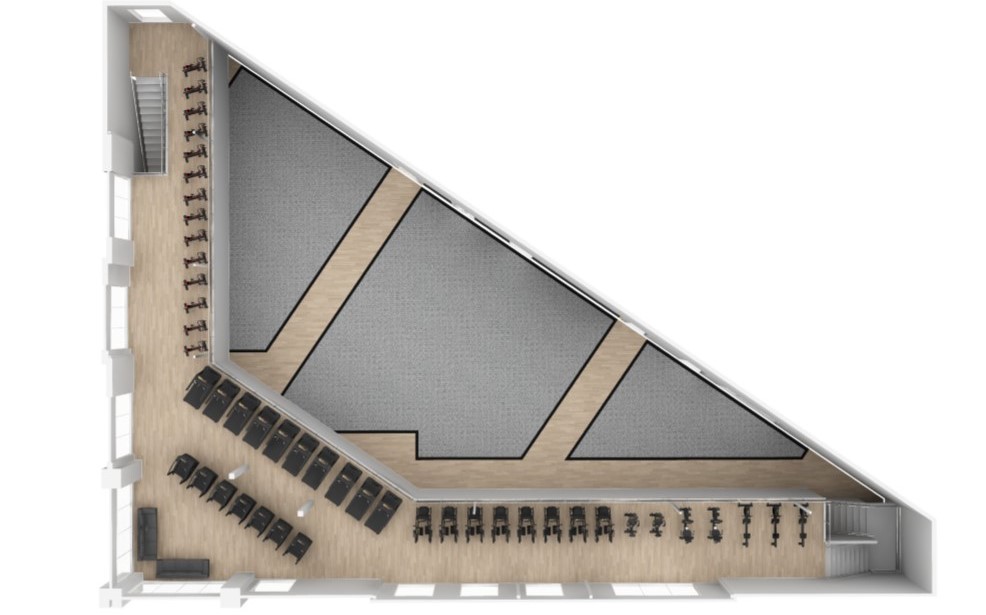
Alpine Fitness provides a gym environment where you can combine strength training, cardio, functional fitness, athletic training, and recovery as part of a balanced fitness routine.
Whether your goal is losing 20 pounds, building lean muscle, improving endurance, or simply becoming more active, creating a sustainable routine is more valuable than chasing short-term results.
Alpine Fitness serves members in Lehi, American Fork, Pleasant Grove, Highland, Lindon, Alpine, and Cedar Hills, UT.
Take the Next Step Toward Your Fitness Goals
If you’re ready to make exercise a consistent part of your lifestyle, Alpine Fitness offers the equipment and training environment to help you build a sustainable routine.
Focus on progress, not perfection. With consistent workouts, smart nutrition, and adequate recovery, you can work toward your weight-loss goals without relying on extreme approaches.
FAQs
What’s the worst carb for belly fat?
There isn’t one specific carbohydrate that automatically causes belly fat. Instead, foods and drinks that are high in added sugar and calories can make it easier to consume more calories than your body needs. Examples include sugary sodas, sweetened coffee drinks, candy, pastries, and highly processed snack foods.
You don’t need to eliminate carbohydrates to lose weight. Whole-food sources such as oats, potatoes, fruit, beans, and whole grains can fit into a balanced weight loss diet. For better results, focus on overall calorie intake, adequate protein, fiber, and consistent exercise rather than labeling one food as the “worst” carb.
What is the fastest way to lose weight?
The fastest sustainable approach is generally to create a reasonable calorie deficit while staying active and maintaining muscle with strength training. Combining resistance training with cardio, daily movement, nutritious foods, adequate protein, and sufficient sleep can support steady fat loss.
Extreme diets, prolonged fasting, dehydration, or excessive exercise may produce rapid changes on the scale, but much of the initial loss can be water weight, and these approaches can be difficult to maintain.
If your goal is to lose 20 pounds, focus on a plan you can follow consistently rather than trying to lose the weight as quickly as possible.
Is it healthy to lose 1 pound a week?
For many adults, losing about 1 pound per week can be a reasonable and sustainable rate of weight loss. A gradual approach can make it easier to maintain muscle, continue exercising, and get enough nutrients while reducing body fat.
Your ideal rate can vary based on your starting weight, nutrition, activity level, medical history, and other individual factors. Weight also naturally fluctuates from day to day, so look at longer-term trends rather than expecting the scale to drop exactly one pound every week.
What’s the hardest age to lose weight?
There isn’t a specific age when weight loss becomes impossible or universally “hardest.” However, changes in muscle mass, activity levels, hormones, sleep, lifestyle, and calorie needs can affect weight management as people get older.
Maintaining strength training and regular physical activity becomes especially valuable because preserving muscle can support strength, mobility, and overall body composition. Nutrition and recovery also become increasingly important.
Rather than focusing on age alone, consider your current activity level, eating habits, sleep, stress, and fitness routine when evaluating why weight loss may feel difficult.
What drinks help with weight loss?
No drink directly causes significant fat loss on its own. However, choosing low-calorie beverages can make it easier to maintain a calorie deficit.
Good options include:
- Water
- Sparkling water without added sugar
- Unsweetened tea
- Unsweetened coffee
- Low- or no-calorie beverages
Drinks such as regular soda, sweetened coffee, energy drinks, and alcoholic beverages can add substantial calories without providing much fullness. Replacing some high-calorie beverages with water or unsweetened options can therefore be a simple weight loss strategy.
Hydration is also important for supporting exercise performance and overall health.
Keep Your Weight Loss Goals Sustainable
Losing weight doesn’t require eliminating all carbohydrates, exercising for hours every day, or following an extreme diet. A consistent combination of weight training, cardio workouts, balanced nutrition, and recovery can provide a much stronger foundation for long-term results.
At Alpine Fitness, you can build a balanced fitness routine around your goals, whether you’re working toward weight loss, improved strength, better endurance, or overall health.
Ready to make fitness part of your routine? Contact Alpine Fitness today and create a workout plan you can realistically maintain.
0 Comments