
Understanding Functional Fitness
Functional fitness is all about training your body for real-life movements that improve strength, balance, and mobility. When people ask, “What are the 7 functional fitness movements?”, they’re seeking exercises that make everyday activities easier, reduce injury risk, and enhance athletic performance. These foundational movements target multiple muscle groups and teach proper mechanics for safe and effective movement. At Alpine Fitness, we emphasize these essential exercises as part of a holistic approach to fitness.
The 7 Functional Fitness Movements Explained
- Squat – Squats replicate natural sitting and standing motions, strengthening the quads, glutes, and core while improving hip and ankle mobility.
- Hinge – Hinge movements like deadlifts focus on your posterior chain, teaching proper bending and lifting mechanics to protect your lower back.
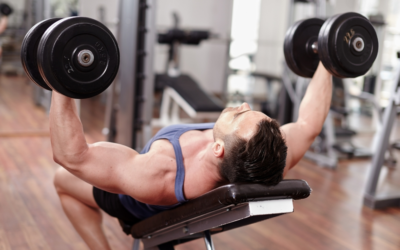
- Push – Push exercises, such as push-ups or bench presses, develop chest, shoulder, and tricep strength, supporting daily pushing actions.
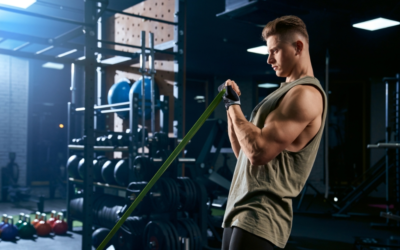
- Pull – Pull movements like rows or pull-ups strengthen your back, biceps, and grip, critical for lifting or carrying objects.
- Lunge – Lunges improve unilateral leg strength, balance, and coordination, translating to better movement for walking, climbing, and sports.
- Twist/Rotation – Rotational exercises, including Russian twists, build core stability and support safe twisting motions for athletic or daily activities.
- Gait/Carry – Walking, loaded carries, or farmer’s carries train your entire body to stabilize under load, improving posture, grip, and overall functional strength.
These movements aren’t just gym exercises—they reflect how your body naturally moves. Practicing them regularly develops strength, mobility, and coordination that carry over into everyday life.
Practical Tips for Applying Functional Fitness
To get the most benefit from functional movements:
Focus on form first: Correct mechanics reduce injury risk and ensure you’re targeting the right muscles.
Start with bodyweight exercises: Before adding weights, master movements like air squats, push-ups, and lunges.
Integrate progression gradually: Increase weight, reps, or intensity slowly to allow your body to adapt.
Combine movements: Full-body circuits or compound exercises help mimic real-life actions.
Listen to your body: Functional training enhances mobility and strength but avoid pushing through pain.
By applying these principles, you can see meaningful improvements in balance, posture, strength, and overall functional performance.
Benefits of Functional Fitness
Incorporating the seven functional fitness movements into your routine can help:
Enhance mobility, flexibility, and joint health
Reduce risk of injury during daily activities or sports
Improve posture, core strength, and overall stability
Support fat loss, lean muscle development, and cardiovascular health
Boost confidence in performing daily or athletic movements
Even without specialized equipment, these movements can be performed anywhere, making them highly versatile.
Getting Started with Functional Fitness
For those new to functional training, guided instruction is helpful to ensure proper technique. Certified trainers, like those at Alpine Fitness, can help design personalized programs that integrate the seven functional movements for residents in Lehi, American Fork, Highland, Alpine, Cedar Hills, and nearby areas. Whether you’re using small group sessions, personal training, or strength and conditioning programs, mastering these foundational exercises can transform your fitness journey.
Ready to improve your strength, mobility, and overall functional fitness? Schedule a personal training session with Alpine Fitness and learn how to safely integrate the seven functional movements into your routine!
FAQs
What is functional training?
Functional training is a type of exercise that focuses on movements you use in daily life. It emphasizes multi-joint exercises like squats, lunges, pushes, pulls, and rotational movements to build strength, stability, and mobility. Functional training improves performance in sports, work tasks, and everyday activities, while also reducing the risk of injury.
What are examples of functional exercise?
Examples of functional exercises include squats, deadlifts, push-ups, pull-ups, lunges, rotational twists, and loaded carries. These exercises engage multiple muscle groups at once, replicate natural movement patterns, and enhance balance, core stability, and overall functional strength.
What is the difference between functional and strength training?
While both functional and strength training improve muscle strength, functional training emphasizes real-life movement patterns and mobility, whereas traditional strength training often focuses on isolating muscles and lifting heavier weights. Functional training helps with daily activities, athletic performance, and injury prevention, while strength training is more about building maximal muscle power.
What is the 2 2 2 rule in gym?
The 2 2 2 rule is a practical guideline for exercise progression. Typically, it suggests increasing the weight, reps, or intensity after you can complete two more repetitions than your target for two consecutive workouts. This helps ensure gradual strength gains while reducing the risk of overtraining.
What is the 4 8 12 rule?
The 4 8 12 rule is a common approach to structuring strength training sets and reps. It usually refers to performing 4 sets of 8–12 repetitions for each exercise, a range ideal for building muscle, improving endurance, and enhancing functional strength. This approach balances intensity with volume for effective results.
Ready to improve your movement, strength, and overall fitness with guided functional training? Schedule a personal training session at Alpine Fitness today to learn how to safely integrate the seven functional fitness movements into your routine!

0 Comments