
Healthy Ideas to Keep You Full
If you’re trying to lose weight, choosing satisfying snacks can make it easier to stay consistent with your nutrition. High-protein snacks for weight loss can help you feel fuller between meals while providing protein that supports muscle maintenance and workout recovery.
However, protein isn’t a magic solution for weight loss. Your overall calorie intake, food choices, activity level, sleep, and exercise routine all contribute to your results. Pairing nutritious snacks with regular strength training can create a more balanced approach to improving body composition and fitness.
At Alpine Fitness, we believe nutrition and exercise work best together. Here are some simple, high-protein snack ideas to help you build sustainable eating habits.
Why Are High-Protein Snacks Helpful for Weight Loss?
Protein plays several important roles in the body. For people who exercise regularly, it helps support muscle repair and maintenance. It can also contribute to feelings of fullness, which may make it easier to manage hunger between meals.
For that reason, a protein-rich snack can be a useful alternative to snacks that provide mostly refined carbohydrates or added sugar.
For example, instead of reaching for a low-protein snack that leaves you hungry again shortly afterward, you could choose Greek yogurt with berries or cottage cheese with fruit.
Nevertheless, portion size still matters. Even nutritious foods can contribute substantial calories when eaten in large amounts.
What Are the Best High-Protein Snacks for Weight Loss?
There isn’t one perfect snack for everyone. The best option depends on your preferences, nutritional needs, schedule, and overall diet.
Here are several practical choices:
1. Greek Yogurt and Berries
Greek yogurt is a convenient source of protein that pairs well with fruit. Add strawberries, blueberries, raspberries, or another fruit for additional flavor and nutrients.
For a more filling snack, you can add a small portion of nuts or seeds.
2. Cottage Cheese and Fruit
Cottage cheese provides protein and works particularly well with fruit for a sweet and savory combination.
Try pairing it with:
- Berries
- Peaches
- Pineapple
- Apples
- Melon
Choose a portion that fits your overall nutrition goals.
3. Hard-Boiled Eggs
Hard-boiled eggs are simple, portable, and easy to prepare ahead of time.
Pair them with vegetables, fruit, or whole-grain crackers to create a more balanced snack.
4. Turkey Roll-Ups
Lean turkey can provide a convenient protein source when you need something quick.
Roll turkey slices around vegetables or a small amount of cheese for a simple snack. If you’re watching sodium intake, compare nutrition labels and choose an option that fits your needs.
5. Tuna Packets
Tuna packets can provide a convenient high-protein snack without requiring much preparation.
You can eat tuna with whole-grain crackers, cucumber slices, or vegetables. Alternatively, mix it with Greek yogurt or another ingredient to create a quick tuna salad.
6. Edamame
Edamame provides plant-based protein along with fiber and other nutrients.
You can eat steamed edamame on its own or add it to a small bowl with vegetables and other nutrient-dense foods.
7. Roasted Chickpeas
Roasted chickpeas can satisfy the desire for something crunchy while providing protein and fiber.
Because preparation methods vary, check the nutrition information and portion size, especially when weight loss is your goal.
8. Jerky
Beef, turkey, or other types of jerky can be convenient when you’re traveling or need a portable snack.
However, some varieties contain significant amounts of sodium or added sugar. Compare labels to find an option that fits your nutrition goals.
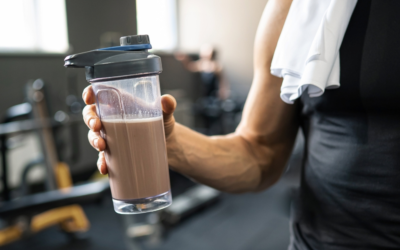
9. Protein Smoothie
A protein smoothie can work well when you need a quick snack before or after a workout.
You could combine:
- Greek yogurt or another protein source
- Milk or a milk alternative
- Berries
- Banana
- Ice
- Spinach
- Chia or flax seeds
Keep in mind that smoothies can become calorie-dense quickly when you add large amounts of nut butter, sweeteners, or other high-calorie ingredients.
10. Cottage Cheese and Whole-Grain Crackers
For a savory snack, pair cottage cheese with whole-grain crackers and sliced vegetables.
This combination provides protein and carbohydrates while giving you something substantial to eat between meals.
What Are the Best High-Protein Snacks for Muscle Maintenance?
If you’re losing weight, preserving lean muscle can be an important consideration. Resistance training provides a stimulus for your muscles, while adequate protein supports muscle maintenance and recovery.
Good snack choices include:
- Greek yogurt
- Cottage cheese
- Eggs
- Turkey
- Tuna
- Edamame
- Tofu
- Protein smoothies
You don’t need to rely on protein shakes or supplements, either. Whole foods can provide plenty of protein and additional nutrients.
Are High-Protein Snacks Good for Fat Loss?
High-protein snacks can fit into a fat-loss diet, but no individual food automatically causes fat loss.
Weight loss generally requires consistently consuming fewer calories than your body uses over time. Protein can support a weight-loss approach by helping with fullness and providing amino acids needed for muscle maintenance.
Therefore, think about the entire snack rather than simply looking at its protein content.
A snack with plenty of protein but very large amounts of added sugar or calories may not be the most useful choice for your particular goals.
What Is a Good High-Protein Snack Before a Workout?
Your ideal pre-workout snack depends on when you eat, how intense your workout will be, and how your body responds to food before exercise.
If you have some time before training, options such as Greek yogurt with fruit, cottage cheese with fruit, or a protein smoothie can provide protein along with carbohydrates.
If you’re eating shortly before exercising, you may prefer something smaller and easier to digest.
Most importantly, avoid forcing yourself to eat a large snack immediately before a workout if it makes you uncomfortable.
What Should I Eat After a Workout?
After a workout, focus on getting adequate protein and overall nutrition throughout the day rather than worrying about one specific food immediately after exercising.
A protein-rich snack can be convenient when your next meal isn’t coming soon. Good options include:
- Greek yogurt and fruit
- Cottage cheese and berries
- Protein smoothie
- Eggs and whole-grain toast
- Turkey and vegetables
- Tuna with whole-grain crackers
Consistent nutrition and training habits matter more than relying on a single post-workout snack.
How Much Protein Should a Weight-Loss Snack Have?
There isn’t one universal amount that works for everyone. Your overall protein needs depend on factors such as body size, age, activity level, training routine, and fitness goals.
Instead of focusing exclusively on the protein content of one snack, look at your total daily intake and how your meals and snacks work together.
If you perform regular resistance training or are trying to maintain muscle while losing weight, your protein needs may differ from someone who is less active.
For specific dietary needs, a registered dietitian or qualified healthcare professional can help determine an appropriate nutrition plan.
Can High-Protein Snacks Help With Hunger?
They can. Protein is associated with satiety, or feelings of fullness, which is one reason protein-rich foods can be useful between meals.
However, hunger is influenced by more than protein. Sleep, hydration, meal timing, total calorie intake, stress, activity, and overall food choices can all affect appetite.
Adding fiber-rich foods such as fruit, vegetables, beans, and whole grains can also make a snack more satisfying.
Are Protein Bars Good for Weight Loss?
Protein bars can be convenient, but they aren’t automatically a healthy or weight-loss-friendly choice.
When choosing a protein bar, look at:
- Protein content
- Total calories
- Added sugar
- Fiber
- Saturated fat
- Ingredients
- Portion size
Some protein bars are essentially candy bars with added protein, while others can be a convenient part of a balanced diet.
If you enjoy protein bars, use them as a convenient option rather than assuming that more protein automatically makes a product better for weight loss.
Are Nuts Good High-Protein Snacks for Weight Loss?
Nuts can be a nutritious snack because they provide protein, healthy fats, fiber, vitamins, and minerals. However, they’re also calorie-dense, so portion size can matter when you’re trying to lose weight.
Almonds, pistachios, peanuts, and other nuts can work well alongside a protein-rich food such as Greek yogurt.
Rather than eliminating nuts, focus on an appropriate serving size and how they fit into your overall nutrition.
What Are the Best Low-Calorie High-Protein Snacks?
If you’re looking for protein-rich snacks that are relatively lower in calories, consider options such as:
- Greek yogurt
- Cottage cheese
- Egg whites
- Hard-boiled eggs
- Tuna
- Lean turkey
- Edamame
- Nonfat or low-fat dairy options
Nutrition information varies between brands and preparation methods, so check the label when precise calorie or protein information matters.
How Can I Make High-Protein Snacks Easier?
Planning ahead can make healthy eating much easier.
Try preparing several snacks at the beginning of the week. For example, you can:
- Hard-boil several eggs.
- Portion Greek yogurt into containers.
- Wash and cut vegetables.
- Prepare individual servings of cottage cheese.
- Portion nuts into small containers.
- Keep tuna packets or jerky available for convenient options.
This reduces the likelihood that you’ll reach for whatever snack happens to be most convenient when you’re hungry.
High-Protein Snacks and Strength Training
If you’re eating more protein because you want to lose weight while maintaining or building muscle, combine your nutrition habits with a consistent exercise program.
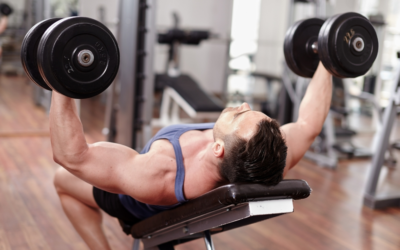
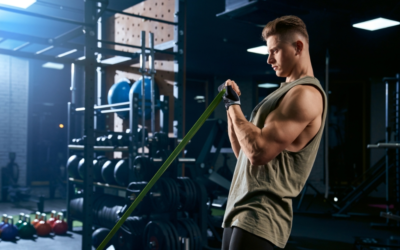
Strength training provides an important stimulus for muscle development and can help support lean muscle while you’re working toward changes in body composition. Alpine Fitness offers strength training, personal training, functional fitness, athletic training, and cardio options that can complement a balanced nutrition strategy.
A balanced fitness routine might include:
- Resistance training
- Cardio
- Functional fitness
- Mobility work
- Recovery
- Consistent daily movement
You can also work with a personal trainer if you want more individualized guidance and structure.
Common Mistakes With High-Protein Snacks
Even healthy snacks can become less helpful when they’re used without considering your overall diet.
Eating Too Much Because a Food Is High in Protein
Protein content doesn’t make a food calorie-free. Pay attention to serving sizes and total daily intake.
Ignoring Fruits and Vegetables
Don’t let a focus on protein crowd out fiber-rich foods, fruits, and vegetables.
Relying Entirely on Protein Supplements
Protein shakes and bars can be convenient, but whole foods provide a broader range of nutrients.
Cutting Calories Too Aggressively
Extreme calorie restriction can make it difficult to maintain energy, exercise consistently, and preserve lean muscle.
Expecting Snacks to Do All the Work
Snacks are only one part of your nutrition. Your meals, exercise routine, sleep, hydration, and recovery all matter.
Build a Sustainable Weight-Loss Routine
The best high-protein snacks for weight loss are the ones that fit your preferences, nutritional needs, schedule, and overall calorie intake.
Choose protein-rich foods you actually enjoy. Then, combine them with vegetables, fruits, whole grains, and other nutrient-dense foods to create a balanced eating pattern.
Most importantly, don’t focus on one snack or one meal. Sustainable progress comes from the habits you can maintain consistently.
At Alpine Fitness, we believe nutrition and exercise should complement each other. Whether you’re working toward weight loss, strength training, muscle growth, or improved fitness, building consistent habits can help you make progress toward your goals.
Alpine Fitness serves members in Lehi, American Fork, Pleasant Grove, Highland, Lindon, Alpine, and Cedar Hills, UT.
Ready to Pair Better Nutrition With Better Workouts?
Use high-protein snacks as one tool within a bigger fitness strategy. Combine balanced nutrition with consistent strength training, cardio, functional fitness, and recovery to create a routine you can maintain.
Contact Alpine Fitness today to explore our training options and build a fitness routine around your goals.
FAQs
How much protein should I eat a day to lose 20 pounds?
There is no single protein intake that guarantees you will lose 20 pounds. Your ideal daily protein intake depends on factors such as your body size, activity level, age, training routine, and overall diet. However, eating enough protein can help support muscle maintenance, recovery, and fullness while you work toward a healthy weight-loss goal. Pair high-protein foods with a balanced diet and consistent strength training rather than relying on protein alone for fat loss.
How can I get 20g of protein in a snack?
Getting 20 grams of protein in a snack is easier when you choose protein-rich foods with a substantial serving of protein. For example, Greek yogurt, cottage cheese, tuna, eggs, edamame, jerky, or a protein shake can help you reach your protein goal. You can also combine foods, such as Greek yogurt with nuts or cottage cheese with fruit, to create a more satisfying high-protein snack. Check nutrition labels because protein amounts vary between brands and serving sizes.
What snacks help burn belly fat?
No specific snack can directly burn belly fat or target abdominal fat. However, choosing high-protein snacks for weight loss can make it easier to manage hunger and maintain a balanced calorie intake. Options such as Greek yogurt, cottage cheese, eggs, lean meat, tuna, edamame, and protein-rich snacks can provide protein while helping you stay satisfied between meals. For better results, combine nutritious eating with regular strength training, cardio, adequate sleep, and consistent physical activity.
What are 5 signs you need more protein?
Five possible signs that your diet may not be providing enough protein include:
- Frequent hunger between meals – Protein can help promote fullness, so meals and snacks that are low in protein may leave you hungry sooner.
- Difficulty maintaining muscle – Adequate protein supports muscle maintenance, particularly when you are exercising regularly.
- Slow workout recovery – Protein provides amino acids your body uses for muscle repair and recovery after exercise.
- Low overall protein intake – If most of your meals contain little or no protein, you may benefit from adding more protein-rich foods.
- Difficulty meeting fitness goals – Insufficient protein can make it harder to support muscle growth, strength development, and recovery.
These signs can have many different causes, so they do not automatically mean you have a protein deficiency. If you are concerned about your nutrition or protein intake, consider speaking with a qualified healthcare or nutrition professional.
Are 2 eggs a day enough protein?
Two eggs provide a convenient source of protein, but they may not provide enough protein to meet your entire daily requirement. Eggs can contribute to a high-protein breakfast or snack, but most people need additional protein from foods such as chicken, fish, lean meat, Greek yogurt, cottage cheese, beans, lentils, tofu, or other protein-rich foods throughout the day. Spread your protein intake across meals and snacks to better support muscle recovery, strength training, and overall fitness goals.
Ready to Build Better Nutrition and Fitness Habits?
At Alpine Fitness, we can help you combine nutrition support, personal training, and strength training to create a sustainable approach to your fitness goals. Whether you’re working toward weight loss, building muscle, improving strength, or simply eating more balanced meals, our team can help you develop a routine that fits your goals.
0 Comments