
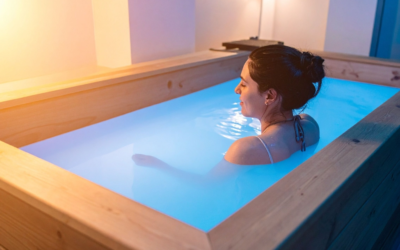
Understanding Cold Plunge Therapy
If you’ve been hearing about cold plunges, you’re probably wondering, “Is cold plunging actually good for you?” Cold water immersion has gained popularity among athletes and wellness enthusiasts, but understanding the benefits, risks, and proper usage is key to making it work for your body.
At Alpine Fitness, our Recovery Spa incorporates cold plunge therapy alongside other recovery tools like saunas, red light therapy, and massage therapy to support safe, effective fitness recovery.
What Is Cold Plunge Therapy?
Cold plunge therapy, or cold water immersion, involves submerging the body in cold water (usually 50–59°F) for a short period. It’s primarily used for recovery and wellness, with potential benefits including:
Reduced muscle soreness and inflammation after workouts
Enhanced circulation and cardiovascular response
Improved mental clarity and focus
Temporary reduction in stress levels
By using cold plunges strategically, you can maximize recovery without over-stressing your body.
Evidence-Based Benefits
Studies indicate that cold water immersion can decrease delayed onset muscle soreness (DOMS) and help muscles recover faster after high-intensity workouts. Additionally, many people notice improved mood and alertness, likely due to endorphin release triggered by cold exposure.
It’s important to note that cold plunging is not a replacement for consistent training, proper nutrition, and hydration—it’s a supplementary recovery tool that works best in combination with structured strength, cardio, or weight loss programs.
How to Cold Plunge Safely
To make cold plunging effective and safe:
- Start short: Begin with 30–60 seconds, gradually increasing to 2–3 minutes.
- Time it right: Use cold plunges after workouts rather than before intense exercise to support recovery.
- Listen to your body: Stop immediately if you feel numbness, dizziness, or excessive shivering.
- Combine with other recovery strategies: Alternate with sauna sessions, stretching, massage therapy, or red light therapy for balanced recovery.
Proper technique and moderation are key to maximizing benefits while avoiding potential risks like hypothermia or excessive stress on the cardiovascular system.
Who Benefits Most From Cold Plunges?
Cold plunging isn’t necessary for everyone, but it’s especially helpful for:
Athletes and high-intensity trainers who experience muscle fatigue and soreness
Individuals recovering from workouts or injuries looking to reduce inflammation
Anyone seeking mental clarity or stress relief after a long day
Even a few minutes of cold immersion, combined with other recovery techniques, can provide measurable benefits over time.
For those wondering about availability, cold plunge therapy is accessible near Lehi, Alpine, Highland, Cedar Hills, American Fork, and surrounding Utah County communities. Incorporating cold plunges with safe strength training, cardio, and guided recovery methods ensures you get the most out of your sessions.
Is Cold Plunging Right for Your Recovery?
Yes—when used correctly, cold plunging can enhance recovery, reduce muscle soreness, improve circulation, and support mental wellness. However, its effectiveness depends on how it’s combined with consistent exercise, proper nutrition, and other recovery strategies. Cold plunges are a tool, not a magic solution, and should be integrated thoughtfully into a broader fitness and wellness plan.
Want to experience cold plunge therapy safely and effectively? Contact us today to learn more about the full recovery options available at Alpine Fitness, including cold plunge therapy, sauna sessions, massage therapy, and red light therapy.
FAQs
How long should a beginner go in a cold plunge?
For beginners, start with 30–60 seconds in the cold plunge. Gradually increase your time as your body adapts, aiming for 2–3 minutes over several sessions. Consistency and proper warm-up before your plunge help reduce shock and improve recovery.
How many calories does a 3-minute cold plunge burn?
Cold plunging increases calorie burn slightly due to your body working to maintain core temperature. A 3-minute session can burn approximately 15–25 calories, depending on body composition and water temperature, but it’s primarily a recovery and circulation tool rather than a major calorie-burning method.
Do cold plunges burn fat?
Cold plunges can support metabolism slightly by activating brown fat, but they do not replace proper strength training, cardio, or weight loss programs. Cold plunging is best used to aid recovery and reduce inflammation rather than as a primary fat-loss strategy.
What is the 1 10 1 rule in cold water?
The 1-10-1 rule is a beginner guideline for cold water immersion: 1 minute to acclimate, 10 minutes as a safe duration for experienced users, and 1 minute for warm-down or exit. Beginners should never attempt the full 10 minutes immediately; gradual adaptation is key to safety.
How cold should my first ice bath be?
For your first ice bath, aim for water temperatures between 50–59°F. This range provides the benefits of cold immersion without excessive risk. Always monitor your body for signs of discomfort, and exit immediately if you experience numbness, dizziness, or intense shivering.

0 Comments