
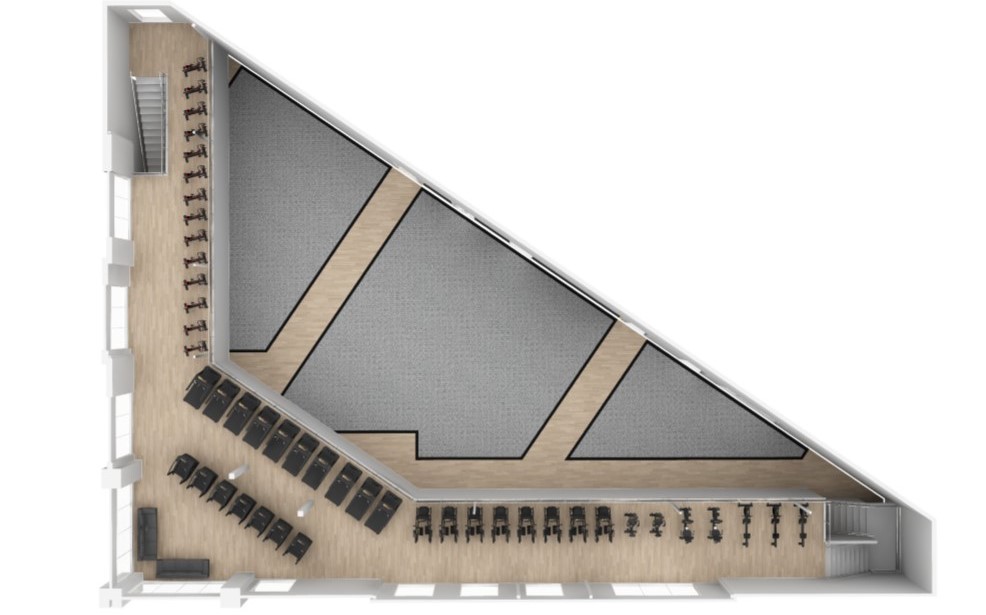
A Guide to Effective Fat-Loss Workouts
If your goal is to lose body fat, you may wonder, “which type of cardio burns the most fat?” The answer isn’t as simple as choosing the exercise that burns the most calories per minute.
Running, cycling, rowing, stair climbing, and high-intensity interval training can all contribute to fat loss. However, the most effective cardio workout is one you can perform consistently while recovering well and maintaining a balanced fitness routine.
Your overall results depend on more than cardio alone. Nutrition, resistance training, sleep, recovery, workout intensity, and your total daily activity all influence how your body loses fat.
At Alpine Fitness, we believe effective training starts with choosing workouts that fit your goals and lifestyle rather than chasing a single “best” exercise.
Does Cardio Actually Burn Body Fat?
Yes, cardio increases energy expenditure, which can contribute to fat loss when combined with an appropriate overall calorie balance.
However, your body doesn’t simply burn body fat every time you exercise. During a workout, your body uses a combination of carbohydrates and fat for energy. The proportion changes based on exercise intensity and duration.
More importantly, fat loss occurs over time, not because of one particular workout.
That means the best cardio for fat loss is usually the type you can perform regularly while maintaining your nutrition and recovery.
Which Cardio Burns the Most Calories?
If you’re comparing exercises based on calorie expenditure, several forms of cardio can produce a high energy demand.
Factors that influence calorie burn include:
- Exercise intensity
- Workout duration
- Body size
- Fitness level
- Terrain or resistance
- Exercise efficiency
Some of the highest-calorie-burning cardio options include:
- Running
- Stair climbing
- Rowing
- Cycling
- Swimming
- HIIT
- Incline walking
However, the exercise that burns the most calories isn’t automatically the best choice for everyone.
For example, running may create a high calorie burn, but someone who enjoys incline walking and performs it consistently may ultimately get better results from walking.
Is Running the Best Cardio for Fat Loss?
Running can be an excellent cardio workout because it engages multiple muscle groups and can burn substantial calories.
You can increase the challenge by adjusting:
- Speed
- Distance
- Incline
- Intervals
- Workout duration
However, running also creates more impact than some lower-impact cardio options.
If you’re new to exercise, gradually increasing your running volume can help your body adapt.
For people who experience joint discomfort or prefer lower-impact workouts, cycling, rowing, swimming, or incline walking may provide a more comfortable alternative.
Does Incline Walking Burn Fat?
Incline walking is a popular option for people who want an effective, lower-impact cardio workout.
Increasing the incline makes your muscles work harder while allowing you to maintain a walking pace. It can also increase your overall energy expenditure compared with walking on a flat surface.
Incline walking can be especially useful for people who:
- Are new to cardio
- Want lower-impact exercise
- Prefer longer workouts
- Want to improve cardiovascular fitness
- Combine cardio with strength training
Because it is relatively accessible, incline walking can be a practical addition to a sustainable weight loss workout.
Is HIIT the Best Cardio for Burning Fat?
High-intensity interval training, or HIIT, alternates short periods of intense exercise with lower-intensity recovery periods.
A HIIT workout might include:
- Sprint intervals
- Cycling intervals
- Rowing intervals
- Battle ropes
- Bodyweight exercises
HIIT can provide an efficient workout when you have limited time. However, harder isn’t always better.
Because high-intensity workouts place greater demands on your body, you need enough recovery between sessions.
For many people, combining HIIT with moderate-intensity cardio creates a more sustainable routine than performing intense intervals every day.
Does Walking Burn Belly Fat?
Walking can contribute to overall fat loss, but it cannot specifically target belly fat.
Your body determines where it stores and loses fat based on factors such as genetics, hormones, age, and overall energy balance.
Therefore, exercises marketed as specifically “burning belly fat” should be approached with caution.
Instead, focus on a combination of:
- Regular cardio
- Resistance training
- Balanced nutrition
- Adequate protein
- Sleep
- Consistent daily movement
Over time, reducing overall body fat can also reduce abdominal fat.
What Cardio Is Best for Beginners?
If you’re new to exercise, start with cardio that feels manageable and allows you to build consistency.
Good beginner options include:
Walking
Walking is accessible, low-impact, and easy to adjust.
Cycling
Stationary or outdoor cycling provides cardiovascular training with relatively low impact.
Elliptical
The elliptical can provide a full-body cardio workout while reducing some of the impact associated with running.
Rowing
Rowing combines cardiovascular conditioning with muscular involvement throughout the body.
Swimming
Swimming provides a low-impact full-body workout and can be particularly useful for people who prefer water-based exercise.
The best choice is the activity you enjoy enough to continue doing consistently.
How Long Should Cardio Workouts Last?
The ideal cardio duration depends on your fitness level, workout intensity, and overall training schedule.
A beginner might start with shorter sessions and gradually increase duration.
For general fitness, moderate cardio sessions can often last around 20–45 minutes. Longer sessions can be useful as your fitness improves, but you don’t need to spend hours doing cardio to make progress.
Consistency matters more than making every workout extremely long.
How Often Should You Do Cardio to Lose Fat?
Your ideal cardio schedule depends on your goals and the rest of your training program.
A balanced weekly routine might include:
- Several moderate cardio sessions
- One or two higher-intensity workouts
- Regular resistance training
- Rest or active recovery days
- Daily movement such as walking
Rather than asking how much cardio you can tolerate, consider how much you can recover from while still making progress.
If your cardio sessions leave you too fatigued to perform your strength workouts effectively, your overall program may need adjustment.
Why Strength Training Matters for Fat Loss
Cardio is only one part of a successful fat-loss program.
Resistance training can help you build and maintain muscle while you’re losing weight. Maintaining muscle is particularly important because the goal of many weight-loss programs is to reduce body fat while preserving as much lean mass as possible.
A well-rounded fitness routine can combine:
Cardio + resistance training + nutrition + recovery
This approach can be more effective and sustainable than relying exclusively on cardio.
At Alpine Fitness, our training environment supports both cardio workouts and strength training, allowing you to build a balanced fitness routine around your goals.
What Is the Best Cardio for Fat Loss?
Instead of asking which single exercise burns the most fat, consider which activity checks the most boxes for you:
- You enjoy it
- You can perform it consistently
- It matches your fitness level
- It doesn’t cause unnecessary pain
- You can recover between workouts
- It fits your schedule
- It supports your other training
For one person, that might be running. For another, it could be incline walking, cycling, rowing, swimming, or HIIT.
The best cardio workout is the one that helps you consistently increase activity while supporting the rest of your fitness program.
How to Combine Cardio and Strength Training
If you’re trying to lose fat while improving your overall fitness, combining cardio and strength training can create a well-rounded program.
For example, your week could include:
Monday: Resistance training + light cardio
Tuesday: Moderate cardio
Wednesday: Resistance training
Thursday: Walking or active recovery
Friday: Resistance training + cardio
Saturday: Longer moderate cardio session
Sunday: Rest
You can adjust the schedule based on your fitness level, goals, and recovery needs.
There is no requirement to follow this exact routine. The important thing is creating a program you can maintain.
Cardio and Recovery Matter, Too
More cardio isn’t always better.
Training too frequently or at an intensity your body can’t recover from may lead to excessive fatigue and make it harder to maintain your routine.
Recovery can include:
- Rest days
- Sleep
- Hydration
- Proper nutrition
- Mobility work
- Lower-intensity workouts
At Alpine Fitness, recovery-focused amenities can complement an active training routine. Depending on your goals, options such as sauna, steam room, cold plunge, and red light therapy can be incorporated into your broader wellness routine.
How to Build a Sustainable Fat-Loss Workout
A successful fat-loss program doesn’t need to be complicated.
Start by establishing a routine that includes:
1. Regular Movement
Walk more throughout the day and reduce prolonged periods of inactivity.
2. Consistent Cardio
Choose cardio you enjoy and can perform regularly.
3. Strength Training
Train your major muscle groups consistently to support strength and lean muscle.
4. Nutrition
Focus on an overall eating pattern that supports your goals rather than relying on a single “fat-burning” food or supplement.
5. Recovery
Give your body enough time to recover between demanding workouts.
This combination creates a much stronger foundation for long-term results than relying on one type of cardio.
Alpine Fitness: Cardio, Strength Training, and More
At Alpine Fitness, we believe fitness should be built around the individual rather than a one-size-fits-all workout.
Our gym environment supports strength training, cardio, functional training, athletic training, and recovery. Whether you’re working toward fat loss, improved endurance, increased strength, or better overall fitness, you can build your routine around the activities that best fit your goals.
Alpine Fitness serves members in Lehi, American Fork, Pleasant Grove, Highland, Lindon, Alpine, and Cedar Hills, UT.
Which Type of Cardio Burns the Most Fat?
So, which type of cardio burns the most fat?
There isn’t one cardio exercise that guarantees the most fat loss for everyone. Running, HIIT, cycling, rowing, stair climbing, swimming, and incline walking can all contribute to increased calorie expenditure and improved cardiovascular fitness.
Ultimately, the best cardio for fat loss is the activity you can perform consistently while maintaining proper nutrition, resistance training, and recovery.
Rather than chasing the exercise that burns the most calories in a single session, build a fitness routine that you can maintain for months and years.
Build a Balanced Fitness Routine With Alpine Fitness
Ready to make cardio part of a more complete fitness plan? Alpine Fitness provides a training environment for cardio workouts, strength training, functional fitness, and recovery.
Whether you’re beginning a weight-loss journey or looking to improve your current training routine, focus on consistency, progressive improvement, and workouts that fit your lifestyle.
FAQs
What kind of cardio burns fat the fastest?
High-intensity activities such as running, stair climbing, rowing, cycling, and HIIT can burn a significant number of calories in a relatively short period. However, the fastest fat-burning cardio isn’t necessarily the workout with the highest calorie burn per minute.
For sustainable fat loss, the best cardio is an activity you can perform consistently while recovering adequately. Combining moderate-intensity cardio, occasional HIIT, and strength training can support fat loss while helping preserve lean muscle.
What burns 500 calories in 30 minutes?
Burning 500 calories in 30 minutes is possible for some people during very demanding exercise, but calorie expenditure varies substantially based on body size, exercise intensity, fitness level, and individual metabolism.
Activities such as vigorous running, cycling, rowing, or high-intensity interval training can produce a high calorie burn. However, trying to force a specific calorie number into every 30-minute workout isn’t necessary for successful weight loss.
Instead, focus on gradually increasing workout intensity and consistency. A combination of cardio workouts and resistance training can provide better long-term results than constantly trying to maximize calories burned during individual sessions.
How can I lose 20 pounds of fat quickly?
Losing 20 pounds of body fat requires creating a sustained calorie deficit while maintaining adequate nutrition and activity. Although it can be tempting to look for a rapid weight-loss workout or restrictive diet, losing weight too quickly can make it harder to maintain muscle and may be difficult to sustain.
A more practical approach includes:
- Regular cardio and daily movement
- Consistent resistance training
- Adequate protein and nutritious foods
- Appropriate calorie intake
- Sufficient sleep and recovery
- Gradual increases in activity
Your timeline will depend on your starting weight, nutrition, activity level, and individual circumstances. Instead of focusing only on the scale, pay attention to changes in body composition, strength, endurance, and how your clothes fit.
Is it OK to do cardio every day?
For many people, some form of daily cardio or movement can be perfectly reasonable. However, doing intense cardio every day may not be appropriate because your muscles and cardiovascular system still need time to recover.
You can make daily movement more sustainable by varying the intensity. For example, alternate harder workouts with walking, easy cycling, mobility work, or other lower-intensity activities.
If you’re also performing strength training, scheduling your workouts so that you can recover between demanding sessions is particularly important.
Which burns fat quicker, cardio or weights?
Both cardio and strength training can support fat loss, but they work differently. Cardio generally burns more calories during the workout itself, while weight training helps build and maintain muscle.
For many people, combining the two is the most effective approach. Cardio can increase energy expenditure and improve cardiovascular fitness, while resistance training helps preserve lean muscle during weight loss.
Rather than choosing between cardio and weights, consider using both as part of a balanced fat-loss workout plan. Your nutrition, overall activity, consistency, and recovery will ultimately have a major influence on your results.
Build a Sustainable Fitness Routine
There is no single exercise that melts body fat overnight. Sustainable results come from consistently combining movement, cardio training, resistance training, nutrition, and recovery.
At Alpine Fitness, you can build a balanced workout routine around your fitness goals with access to cardio and strength training equipment in a supportive gym environment. Contact us today!



0 Comments