
Functional Sports Training in Alpine, UT
Train with purpose at Alpine Fitness through performance-focused workouts designed to improve athletic ability, strength, speed, endurance, mobility, and overall functional movement. Our Functional Sports Training in Alpine, UT helps athletes and active individuals build real-world strength and performance for sports, recreation, and everyday life.
Whether you are training for football, basketball, soccer, wrestling, track, mountain biking, skiing, or general athletic performance, functional sports training focuses on movements that improve coordination, explosiveness, balance, and injury prevention.
At Alpine Fitness, our training environment supports athletes of all experience levels with advanced gym equipment, recovery-focused amenities, and performance-based workout programs.
What Is Functional Sports Training?
This type of training may include:
- Strength training
- Speed and agility drills
- Core strengthening
- Mobility and flexibility work
- Plyometric exercises
- Resistance training
- Athletic conditioning
- Injury prevention exercises
- Balance and coordination training
Functional sports performance training helps athletes improve power, reaction time, endurance, and movement efficiency while reducing injury risk.
Benefits of Functional Sports Training
Athletes and active adults often use functional fitness training to improve overall performance both inside and outside of sports. Benefits may include:
Increased Athletic Performance: Functional training helps improve strength, explosiveness, agility, acceleration, and body control for better sports performance.
Improved Mobility and Flexibility: Mobility-focused movements help improve joint function, flexibility, and range of motion.
Better Core Stability: Strong core muscles help improve posture, balance, lifting mechanics, and athletic movement.
Injury Prevention Support: Functional exercises strengthen stabilizing muscles and movement patterns that help reduce common training injuries.
Full-Body Conditioning: These workouts train multiple muscle groups simultaneously for improved endurance and cardiovascular conditioning.
Why Choose Alpine Fitness for Functional Sports Training in Alpine, UT?
At Alpine Fitness, we focus on creating a supportive environment for strength training, athletic conditioning, recovery, and long-term fitness development.
Members have access to:
- Functional training space
- Strength and conditioning equipment
- Personal training support
- Athletic performance workouts
- Recovery amenities
- Sauna and cold plunge access
- Massage therapy services
- Red light therapy recovery
We proudly serve athletes and members throughout Alpine, Highland, Lehi, American Fork, Pleasant Grove, Lindon, and Cedar Hills, UT.
Functional sports training helps improve athletic performance, movement quality, recovery, and long-term strength. Whether your goal is improving sports performance, increasing endurance, building strength, or supporting overall fitness, a structured functional training program can help you train smarter and move better over time.
FAQs
What is functional training in sports?
Functional training in sports focuses on exercises that improve real-world athletic movement, strength, coordination, balance, agility, and overall performance. Instead of isolating a single muscle group, functional sports training uses movement patterns that mimic actions used during sports and everyday activities. Athletes commonly use functional fitness training to improve speed, power, endurance, mobility, injury prevention, and overall athletic conditioning.
What are the 7 functional exercises?
Many functional fitness programs include foundational movement patterns that train the entire body efficiently. Common functional exercises include squats, lunges, push-ups, pull-ups, deadlifts, overhead presses, and rotational core exercises. These movements help improve strength, balance, flexibility, posture, stability, and athletic performance while supporting better movement mechanics in daily life and sports.
What are examples of functional training?
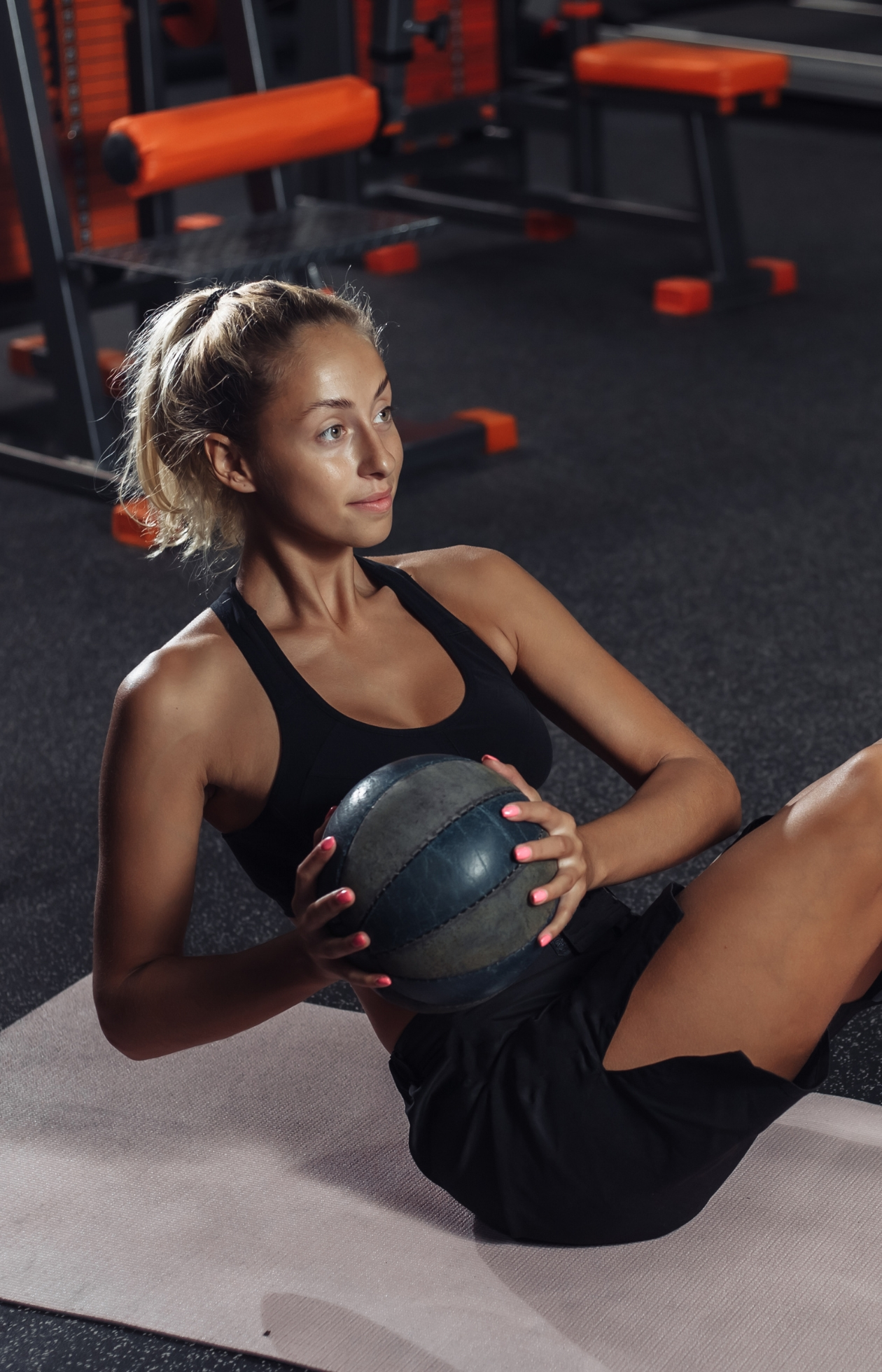
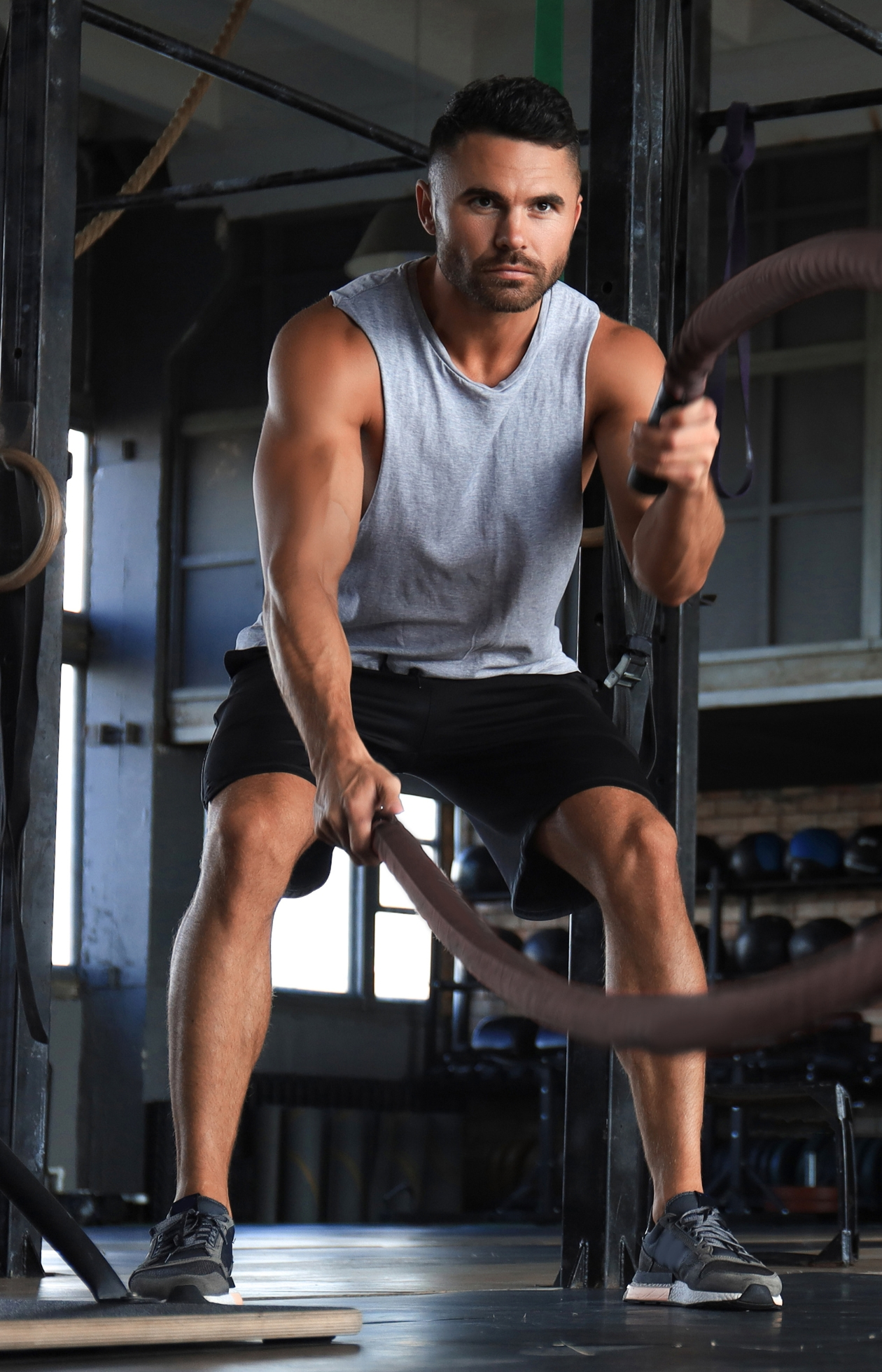
Examples of functional training include kettlebell workouts, sled pushes, medicine ball exercises, agility ladder drills, battle ropes, resistance band exercises, box jumps, farmer’s carries, and bodyweight training. Functional sports workouts often combine strength training, cardio conditioning, mobility work, and core exercises to improve overall movement quality and athletic performance.
What are the 4 pillars of functional fitness?
The four commonly recognized pillars of functional fitness are strength, endurance, mobility, and balance/stability. Together, these areas help improve overall movement efficiency, reduce injury risk, and support long-term physical performance. Functional training programs often combine these elements through resistance training, conditioning workouts, flexibility work, and core stabilization exercises.