
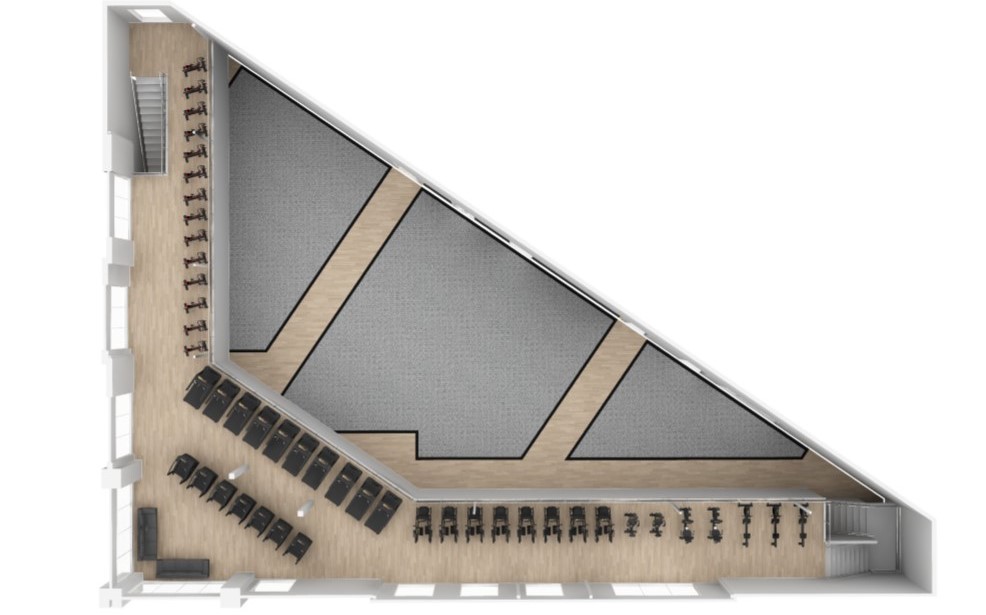
A Complete Guide to Planning the Perfect Workout Space
If you’re asking, “how much space do I need for a home gym?”, you’re already taking one of the most important steps toward creating a workout space you’ll actually enjoy using. Whether you’re converting a spare bedroom, finishing a basement, transforming your garage, or designing a luxury home gym, careful planning makes all the difference.
The truth is, there isn’t a one-size-fits-all answer. The ideal amount of space depends on your fitness goals, the equipment you plan to use, and how you want your gym to function. A thoughtfully designed 100-square-foot gym can often outperform a cluttered 400-square-foot space.
At Alpine Fitness, we’ve learned that successful gym design starts with understanding how people move, train, and recover. Whether you’re designing a compact home gym or a fully customized training facility, focusing on functionality first will help you get the most from your investment.
Start With Your Fitness Goals
Before measuring walls or shopping for equipment, ask yourself one question:
What kind of workouts will I actually do?
Your answer determines nearly every design decision.
For example:
- Strength training requires room for barbells, racks, and free weights.
- Functional training benefits from open floor space for movement.
- Cardio workouts require clearance around treadmills, bikes, or rowers.
- Recovery-focused spaces may include a sauna, cold plunge, red light therapy, or massage area.
Designing around your actual routine prevents wasted space and unnecessary equipment purchases.
How Much Space Does a Home Gym Need?
Most home gyms fall into one of three categories.
Small Home Gym (40–80 Square Feet)
Perfect for:
- Adjustable dumbbells
- Resistance bands
- Kettlebells
- Yoga
- Bodyweight workouts
- Foldable benches
This is ideal for apartments, spare bedrooms, or small offices.
Medium Home Gym (100–200 Square Feet)
This size allows room for:
- Adjustable bench
- Power rack
- Barbell
- Weight plates
- Cardio machine
- Functional training space
Many homeowners find this offers the best balance between functionality and available space.
Large Home Gym (200+ Square Feet)
A larger room opens the door for:
- Multiple lifting stations
- Cable machines
- Squat racks
- Dumbbell racks
- Cardio equipment
- Recovery equipment
- Stretching and mobility areas
If multiple people will use the gym, additional space creates a safer and more enjoyable experience.
Think Beyond Square Footage
One of the biggest mistakes people make is measuring only where the equipment fits—not where they need to move.
Every piece of equipment needs clearance for safe use.
When planning your layout, remember to account for:
- Walking paths
- Barbell loading space
- Bench adjustments
- Stretching room
- Full range of motion
- Spotter access when appropriate
A well-designed layout often feels much larger than a crowded room with the same square footage.
Ceiling Height Matters More Than You Think
Many homeowners overlook vertical space.
Before installing equipment, consider whether you’ll perform:
- Overhead presses
- Pull-ups
- Jump rope workouts
- Olympic lifts
- Functional training
Adequate ceiling height improves both safety and comfort.
Design Your Layout Before Buying Equipment
One of the biggest reasons home gyms become cluttered is purchasing equipment before creating a layout.
Instead, sketch your room first.
Consider:
- Equipment placement
- Walking space
- Weight storage
- Electrical outlets
- Window placement
- Mirror locations
- Ventilation
Planning your layout first often saves money by preventing unnecessary purchases.
Choose Equipment That Matches Your Goals
Bigger isn’t always better.
A carefully selected collection of equipment often provides more versatility than a room filled with machines.
Many effective home gyms include:
- Adjustable dumbbells
- Power rack
- Adjustable bench
- Resistance bands
- Cable trainer
- Pull-up bar
- Kettlebells
- Medicine balls
Choosing multi-purpose equipment maximizes every square foot.
Don’t Forget Storage
Organization is one of the most overlooked aspects of gym design.
Built-in storage helps keep your gym safe and functional.
Consider storing:
- Weight plates
- Dumbbells
- Resistance bands
- Foam rollers
- Yoga mats
- Mobility tools
Vertical storage systems free up valuable workout space while keeping equipment accessible.
Invest in Quality Flooring
Your flooring affects both performance and equipment longevity.
Popular choices include:
- Rubber gym flooring
- Interlocking rubber tiles
- Rubber rolls
- Turf for functional training
The right flooring protects your home, reduces noise, improves traction, and absorbs impact during workouts.
Create an Environment You’ll Want to Use
A great gym isn’t defined only by equipment.
The environment matters just as much.
Simple upgrades can dramatically improve your experience:
- Bright LED lighting
- Mirrors for checking form
- Bluetooth speakers
- Fans or ventilation
- Water station
- Organized storage
- Motivational décor
When your gym feels inviting, you’re more likely to stay consistent.
Plan for Future Growth
Many people build a gym based only on today’s goals.
Instead, think about where you’ll be in two or five years.
Ask yourself:
- Will I add heavier weights?
- Do I want additional cardio equipment?
- Will I need more storage?
- Would I eventually like recovery equipment?
- Could multiple people use the gym?
Planning ahead makes future upgrades easier and more affordable.
Should You Hire a Gym Design Professional?
If you’re investing in a dedicated home gym, working with an experienced gym design professional can save time, money, and frustration.
Professional gym design helps optimize:
- Room layout
- Equipment spacing
- Traffic flow
- Flooring selection
- Lighting
- Storage
- Safety
- Future expansion
At Alpine Fitness, we’ve spent years helping people train more effectively while understanding how thoughtful gym design influences motivation, safety, and long-term success. Whether it’s a compact home gym or a fully customized training facility, good design creates a better workout experience.
Recovery Space Is Worth Considering
As more homeowners invest in premium home gyms, recovery spaces have become increasingly popular.
Depending on your budget and available room, consider incorporating:
- Sauna
- Cold plunge
- Red light therapy
- Massage therapy
- Stretching area
- Mobility station
Recovery supports consistency, comfort, and long-term performance just as much as the workouts themselves.
Common Home Gym Design Mistakes
Avoid these common pitfalls:
- Buying equipment before measuring your room
- Ignoring ceiling height
- Leaving no room to move safely
- Skipping storage solutions
- Choosing too many single-purpose machines
- Forgetting ventilation and lighting
- Not planning for future equipment
A little planning goes a long way toward creating a gym you’ll enjoy for years.
How Much Space Do I Need for a Home Gym?
So, how much space do I need for a home gym? For many people, 40–80 square feet is enough for a basic setup, while 100–200 square feet provides room for a complete strength training space. Larger gyms can support multiple users, additional equipment, and dedicated recovery areas.
Ultimately, the best home gym isn’t determined by square footage—it’s defined by thoughtful planning. By designing around your goals, choosing versatile equipment, maximizing your layout, and planning for future growth, you can create a space that supports your health and fitness for years to come.
Planning a Custom Home Gym?
At Alpine Fitness, we combine real-world fitness experience with gym design expertise to help create workout spaces that are both functional and enjoyable. Whether you’re building a compact garage gym or a fully customized home fitness room, we can help you design a space that fits your goals, your home, and your lifestyle.
We proudly serve homeowners throughout Lehi, American Fork, Pleasant Grove, Highland, Lindon, Alpine, and Cedar Hills, UT.
FAQs
What is a good size space for a home gym?
A good size for a home gym depends on your fitness goals and the equipment you plan to use. A basic home gym can fit into 40–80 square feet with adjustable dumbbells, resistance bands, and a workout mat. For strength training with a power rack, bench, and barbell, 100–200 square feet is often ideal. If you plan to include cardio equipment, multiple workout stations, or recovery amenities, you’ll benefit from a larger space.
What is the best way to layout my home gym?
The best home gym layout prioritizes safety, functionality, and efficient use of space. Start by placing your largest equipment first, such as a power rack or treadmill, then leave enough clearance for lifting, walking, and stretching. Keep frequently used equipment within easy reach, store weights on racks or wall-mounted systems, and position mirrors and lighting to improve visibility. A well-planned gym layout should make it easy to move between exercises without feeling crowded.
What flooring is best for a home gym?
Rubber flooring is one of the most popular choices for a home gym because it provides durability, shock absorption, and traction. Rubber tiles and rolled rubber flooring help protect both your equipment and subfloor while reducing noise from dropped weights. For functional training, some homeowners also add turf areas for sled pushes, agility drills, and mobility exercises.
What is a must for a home gym?
Every home gym should include equipment that matches your workout goals while maximizing available space. For most people, the essentials include adjustable dumbbells, a weight bench, resistance bands, and durable rubber flooring. If your goal is strength training, adding a squat rack, barbell, and weight plates creates a versatile setup capable of supporting a wide variety of exercises. Good lighting, ventilation, and organized storage also make your gym safer and more enjoyable to use.
What should I get first for a home gym?
Start with versatile equipment that allows you to perform multiple exercises without taking up excessive space. Adjustable dumbbells, resistance bands, a quality workout bench, and a durable exercise mat provide an excellent foundation for most home gyms. As your fitness goals evolve, you can gradually add equipment such as a power rack, cable machine, kettlebells, cardio equipment, or recovery features based on your available space and budget.
Designing a home gym is about more than filling a room with equipment—it’s about creating a space that supports your goals, fits your lifestyle, and encourages consistency. At Alpine Fitness, we combine real-world fitness experience with gym design expertise to help homeowners create functional, efficient workout spaces tailored to their needs. Whether you’re building a compact garage gym or a fully customized fitness room, thoughtful planning can help you get the most from every square foot. Contact us today!



0 Comments